It started as a small cut. Hopefully we end it there.
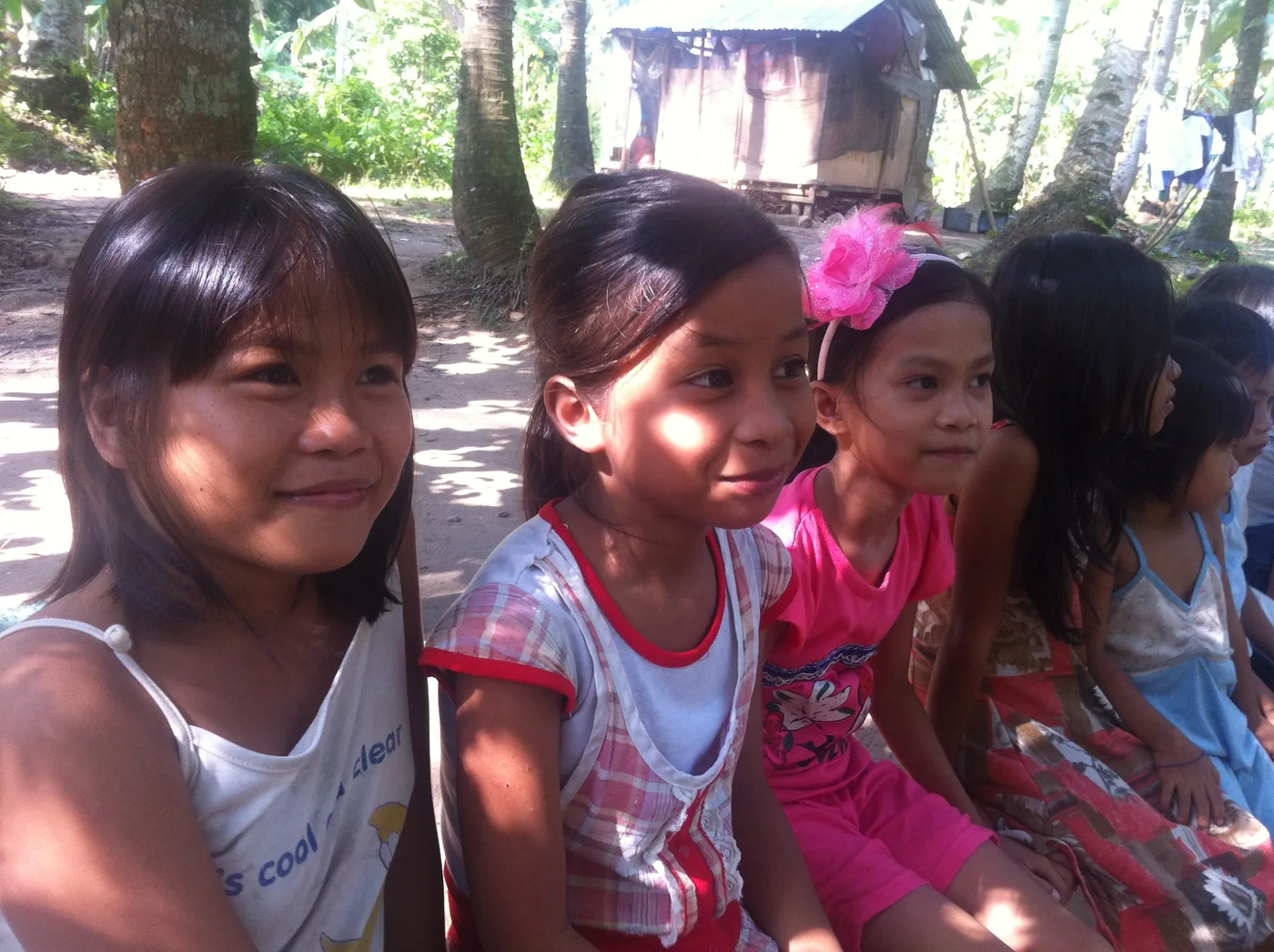
She was the kind of girl who was always busy, even when there was nothing to do. After school she would race outside with her cousins, playing netball in the dusty yard with a bent hoop and a ball that had seen better days. She loved school, especially reading, and liked helping her little brother sound out words, even if she bossed him around a bit. On weekends she helped her mum at the market, carrying bags, laughing with aunties, and saving coins for hair clips or a sweet drink. The small bite on her leg barely slowed her down at first; she just wanted to get back to the game. Necrotising fasciitis — sometimes called flesh-eating disease — sounds terrifying, and the early stages are genuinely serious. What often starts as a small cut or insect bite becomes a rapidly spreading infection that moves through the tissue beneath the skin. In children from low-income households, where a wound might go untreated for days, it can escalate quickly. Treatment requires urgent surgery to remove the infected tissue, followed by inpatient antibiotics, wound care, and often a skin graft to close the wound once the infection is under control. The children who get to hospital in time and receive the full course of treatment recover well. Most go home with a scar and a story — and nothing else.
"Bless was amazing, what an incredible young girl. So happy and vibrant."
Help write the next story.
Every campaign on LittleCareFund is verified by a partner medical practitioner. Your donation goes directly to the treating practitioner — tracked from first peso to final outcome.