
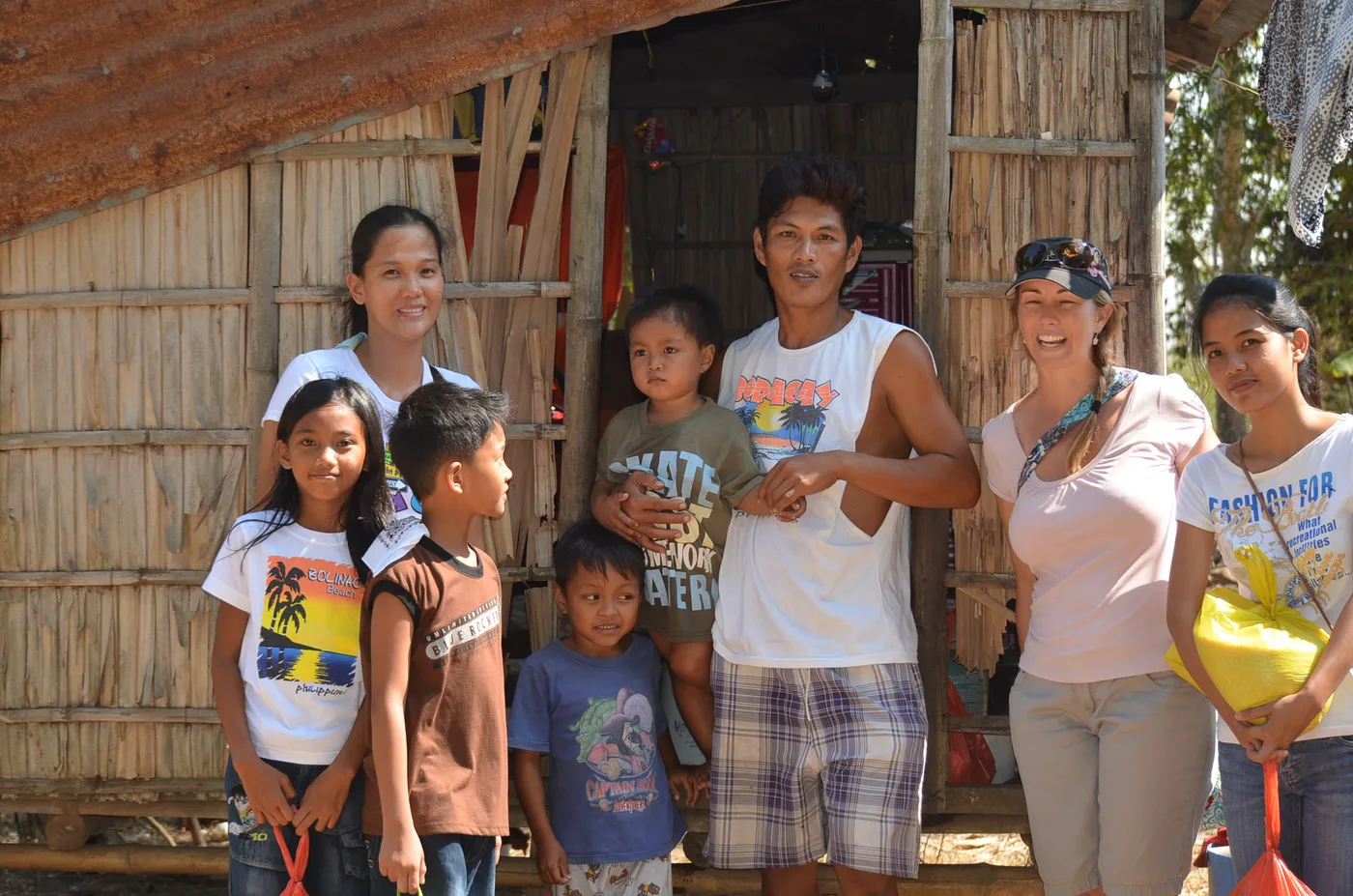
In the Philippines, illness is never faced alone. When someone is admitted to hospital, a family member almost always comes with them, and often several do.
They’re called the bantay, the watchers. A mother who hasn’t left her child’s side in days. A husband sleeping on a bench outside the ward. A grandchild who takes the night shift so everyone else can rest.
They aren’t the patients, but they carry the weight too. And their quiet devotion is one of the most beautiful things about Filipino family life.
💛 More Than a Visitor
The bantay is part of the care itself. A doctor who trained at the Philippine General Hospital describes watchers not only looking after their loved one but also taking on various healthcare tasks. They help arrange X-rays, ultrasounds and ECGs, stay with the patient around the clock, assist with daily needs, and effectively live in the ward.
They also act as a bridge to the rest of the family, video-calling relatives at home and offering the patient a familiar face.
At one major hospital in Davao, the chief noted there are sometimes two or three watchers for a single patient, especially when families come from remote areas.
🚌 The Journey to Care
For many families, just getting to hospital is a sacrifice. Half of Filipinos don’t have a primary care facility within 30 minutes of home, so families often travel long distances from provincial barangays to reach larger hospitals.
Beds are precious too. The Department of Health has said there’s an average of only 0.5 hospital beds per 1,000 people and that this needs to triple, while the WHO recommends 2 beds per 1,000.
💰 The Cost Families Carry
Even with health insurance growing, families still pay a large share of medical costs themselves. In 2025, household out-of-pocket spending made up 41.2% of current health expenditure, roughly four of every ten pesos spent on healthcare.
In 2024, households paid ₱615 billion out of pocket, roughly ₱12,000 per Filipino, up from about ₱3,000 in 2000. Researchers have found that this reliance on out-of-pocket spending pushes Filipino households into poverty.
For a watcher, those costs come on top of lost wages, transport, and meals bought near the hospital.
🌱 Signs of Hope
Something beautiful is already happening. Hospitals are beginning to make room for watchers. At the Southern Philippines Medical Center, a five-storey watchers’ building now houses up to 140 people, with toilets, washing areas and a roof deck. It’s free and serves families from far-flung areas who can’t afford accommodation near the hospital. Similar halls are under way at other major hospitals.
These spaces prove a simple truth: caring for the family is part of caring for the patient.
🤝 The Invitation
Not every hospital has a watchers’ hall. Not every family can afford the trip, the meals, or the days away from work. That’s where the rest of us come in.
A hot meal. A safe place to sleep. Help with the fare home. Small gifts that restore comfort and dignity to those giving everything for someone they love.
This is something we can do together, as neighbours, churches, communities and friends.
Because when a Filipino gets sick, the whole family carries the burden.
And when we come alongside them, no one has to carry it alone.